Michelin Star Dinners for Free Time Culinary Adventures

When the workweek slows down and the calendar clears, the mind often wanders to the next culinary adventure. In the realm of leisure, there is a particular class of experiences that stands out for its artistry and prestige: Michelin star dinners. Though the name itself conjures images of opulent restaurants and gourmet chefs, the concept of a Michelin star can be embraced even in a relaxed, home‑based setting. By integrating the principles that define a Michelin star—attention to detail, seasonal ingredients, and an unwavering commitment to taste—any one can elevate a simple weekend meal into a memorable celebration of free time.
Understanding the Essence of a Michelin Star
A Michelin star is not merely a symbol of luxury; it represents a philosophy that can be translated into everyday cooking. The Michelin Guide evaluates restaurants on five key criteria: quality of ingredients, mastery of flavor, cooking techniques, personality of the chef in the menu, and value for money. When you bring these criteria into your own kitchen, the result is a dinner that feels both refined and personal.
- Ingredients: Choose the freshest produce available, often sourced from local markets or small family farms.
- Technique: Focus on cooking methods that preserve the natural flavors—sautéing, poaching, and slow roasting, for example.
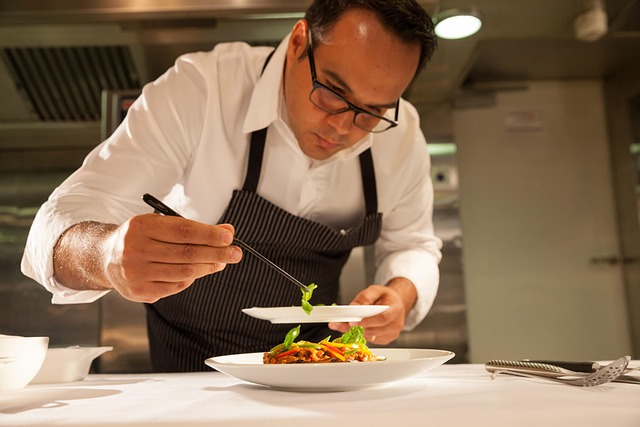
- Plating: Presentation matters; even a humble dish can feel luxurious when arranged thoughtfully.
- Story: A Michelin star dish often tells a narrative—whether it’s a region’s culinary history or the chef’s personal journey.
- Value: Enjoy the experience without overpaying; the real value lies in the joy of eating well.
Choosing the Right Michelin Star Dish for Your Weekend
When planning a free‑time culinary adventure, start by selecting a dish that resonates with your taste and the season’s bounty. For spring, a light vegetable risotto or a delicate grilled sea bass might be ideal. In the heart of winter, a slow‑cooked beef stew or a warm bowl of mushroom barley soup can provide comfort.
“A dish should be a reflection of its season—freshness is the most honest ingredient.” – Anonymous Chef
Planning Your Michelin Star Dinner at Home
Creating a Michelin star experience at home begins with a well‑structured plan. Follow these steps to ensure that every element aligns with the standards that define Michelin excellence:
- Research the Menu: Look for inspiration in recent Michelin guides or culinary blogs that discuss seasonal menus.
- Create a Shopping List: Focus on high‑quality ingredients, and consider buying organic or heritage varieties.
- Set the Atmosphere: Use dim lighting, simple tableware, and a calm soundtrack to set a relaxed, sophisticated tone.
- Prep in Advance: Many Michelin star dishes benefit from a few days of marinating or pre‑cooking.
- Cook with Intent: Keep your mind on the technique, flavor, and texture of each component.
- Plate with Care: Arrange the plate so that colors, shapes, and temperatures complement one another.
- Serve with Thought: Pair the meal with an appropriate beverage—wine, craft beer, or a homemade cocktail that echoes the dish’s flavors.
Sample Michelin Star Inspired Menu for a Weekend Evening
Below is a concise, season‑appropriate menu that captures the essence of a Michelin star dinner while remaining manageable for a home cook:
- Starter: Seared scallops with lemon beurre blanc and microgreens.
- Soup: Roasted cauliflower bisque with smoked paprika.
- Main: Herb‑crusted lamb rack with rosemary jus and roasted root vegetables.
- Dessert: Dark chocolate mousse with fresh berries and a touch of sea salt.
- Beverage: A chilled glass of dry Riesling or a smoky mezcal cocktail.
Mindful Eating as Part of Your Free‑Time Adventure
Michelin star dining is not only about taste; it is also a practice of mindfulness. Slow down, savor each bite, and allow the flavors to unfold on the palate. This mindful approach turns an ordinary dinner into a meditative experience, turning your free time into a restorative ritual.
“The most important ingredient in any meal is the presence of the eater.” – Unknown
Pairing Your Meal with the Right Beverage
While wine remains the classic companion to a Michelin star dinner, other beverages can also elevate the experience. Consider the following options based on your menu:
- White Wine: A crisp Sauvignon Blanc pairs beautifully with scallops and light seafood.
- Red Wine: A full‑bodied Merlot or Cabernet Sauvignon complements lamb and richer meats.
- Non‑Alcoholic: Sparkling water infused with citrus or a homemade herbal iced tea can provide a refreshing balance.
- Cocktails: A classic martini or a fresh gin fizz can add a touch of sophistication to a lighter menu.
Extending the Experience Beyond the Table
A Michelin star dinner can serve as the centerpiece of a broader leisure activity. After the meal, consider a short stroll in a nearby park, a visit to a local art exhibit, or a relaxed movie night featuring a film about culinary arts. These complementary activities reinforce the sense of indulgence without demanding additional time or expense.
Planning a Mini Food Tour Around Your City
For those who love to explore, create a self‑guided food tour that mirrors the Michelin star approach. Start with a high‑quality cafe for breakfast, move to a farmer’s market for fresh ingredients, visit a specialty shop for unique spices, and finish with a tasting of a local artisan cheese. The journey itself becomes a culinary adventure, satisfying both your palate and your curiosity.
Learning From the Michelin Guide—A Free‑Time Educational Approach
Many Michelin star chefs share their techniques through cookbooks, podcasts, and video tutorials. Dedicate part of your free time to studying these resources. Replicate a signature dish or experiment with a new technique. The learning process turns your leisure hours into an ongoing culinary education, adding depth to each subsequent Michelin star dinner you create at home.
Resources to Explore
- Chef Interviews: Listen to podcasts where Michelin star chefs discuss their inspirations.
- Online Courses: Enroll in free or low‑cost courses that cover advanced cooking techniques.
- Local Workshops: Many communities offer hands‑on cooking classes that focus on regional ingredients.
- Food Blogs: Follow blogs that review Michelin star restaurants for insights into plating and flavor profiles.
Making the Most of Your Leisure Hours
When life’s demands ease up, a Michelin star dinner can transform your free time into a luxurious retreat. By applying the principles of a Michelin star—precise ingredients, thoughtful technique, mindful presentation, and a story behind each dish—you turn an ordinary night into a celebration of taste and culture. The best part is that this experience does not require a hefty budget or a fancy restaurant; it can be achieved with care, creativity, and a dash of culinary ambition.