Dance Development for Free Time Leisure Activity

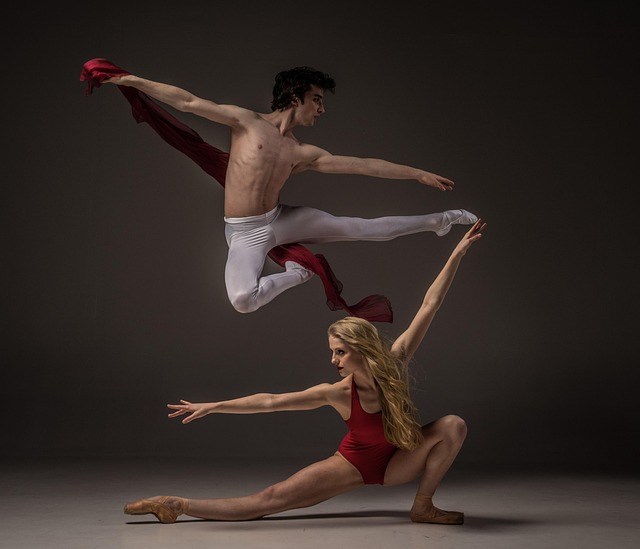
When the day’s obligations settle and the evening light fades, many people look for ways to unwind, to let the body and mind relax, and to express themselves in a simple yet profound way. Dance development, as a leisure activity, offers a unique avenue for creative release, physical fitness, and social connection—all within the flexible time that the rest of the day leaves free.
Why Dance Development Fits Naturally into Free Time
Unlike structured sports that demand early mornings or strict schedules, dance can be practiced at home, in a park, or in a studio during a late afternoon break. The key is that dance development is scalable: it can be a quick 10‑minute warm‑up or a full hour of choreographic exploration. This adaptability makes it an ideal choice for those who want to reclaim moments of leisure without the pressure of competitive performance.
- Low entry barrier—anyone can start with basic steps.
- Flexibility—practice whenever inspiration strikes.
- Multisensory engagement—combining movement, music, and emotion.
Foundational Elements of Dance Development in the Home
Beginning with a few core principles sets the stage for enjoyable, safe, and progressive practice.
“Dance is the hidden language of the soul; the body is the instrument through which that language finds rhythm.” – Anonymous
Key foundational elements include:
- Posture and alignment—maintaining an upright spine, relaxed shoulders, and engaged core.
- Spatial awareness—knowing the limits of your practice space and using it creatively.
- Rhythmic listening—connecting body movements to musical phrasing or a simple metronome.
Leisure Dance Styles that Encourage Exploration
There is a wide array of dance styles that can be tailored to fit a leisurely schedule. Below are a few that invite spontaneous practice:
- Modern dance—focus on flow and personal expression.
- Jazz funk—high energy, great for a burst of cardio.
- Contemporary belly dance—encourages isolation of body segments.
- Hip‑hop grooves—ideal for rhythmic improvisation with a pop or electronic track.
- Dance‑based yoga—merges movement with breath control, suitable for evening wind‑down.
Integrating Music and Movement
Music is the heartbeat of dance development. When free time is limited, choose short, motivating pieces that align with the desired energy level. A quick technique session can be set to a 60‑second tempo countdown, while a longer creative stretch might use a full 4‑minute song.
Tip: Create playlists that mix tempos, ensuring that you have a smooth transition from warm‑up to practice to cool‑down.
Building a Routine: Warm‑Up, Core, and Cool‑Down
Even a brief dance session benefits from structure. A simple outline might look like:
- Warm‑up (2‑3 minutes)—dynamic stretches, shoulder rolls, gentle hip circles.
- Core practice (4‑5 minutes)—learn a new step or refine a known move.
- Cool‑down (1‑2 minutes)—slow deep breathing, light stretching, gratitude pause.
This framework keeps the mind focused and the body safe, which is especially important when time is scarce.
Leisure Dance Improvisation as a Mindful Practice
Improvisation removes the pressure of perfection and invites spontaneous creative expression. For those in a rush, setting a 5‑minute improvisation timer can be a powerful way to engage the mind and body. Use the following prompts:
- Express a single emotion through movement.
- Recreate a favorite childhood memory with gestures.
- Respond to a sudden change in music rhythm.
After improvising, spend a minute reflecting on what felt natural and what challenged you. This reflection is a key component of dance development that deepens self‑awareness.
Leveraging Digital Resources for On‑Demand Guidance
Modern technology offers a variety of free or low‑cost tools to support dance development in leisure time. Instead of traveling to a studio, you can:
- Use video tutorials for step-by-step guidance.
- Follow guided dance workouts on streaming platforms.
- Join virtual dance communities that provide feedback and motivation.
- Record yourself and review movement patterns to self‑correct.
These resources can be accessed on the go, making them perfect for spontaneous free‑time sessions.
Safety Tips for Unstructured Dance Practice
Even in a relaxed setting, safety remains paramount. Pay attention to:
- Clear, padded floor space—remove sharp objects.
- Appropriate footwear or barefoot practice with clean floors.
- Hydration—drink water before, during, and after movement.
- Listening to your body—stop if you feel pain or extreme fatigue.
By keeping these safety measures in mind, dance development stays enjoyable and injury‑free.
Community and Social Connection Through Dance Development
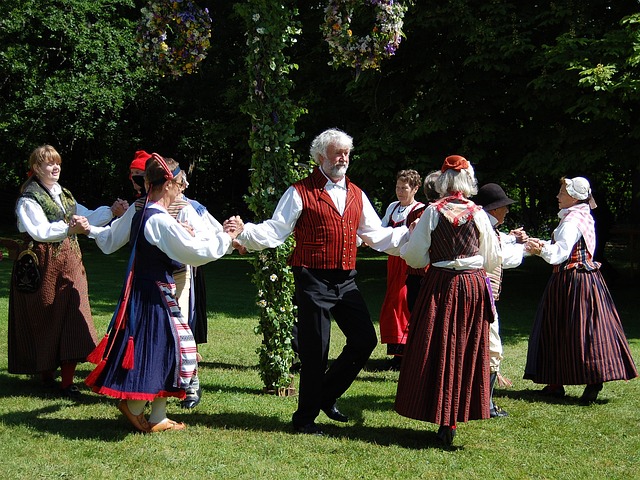
Even when practicing solo, dance offers a channel to connect with others. Consider joining online forums, local meet‑ups, or neighborhood dance circles. Sharing a simple routine can foster camaraderie and inspire new ideas.
Social interaction adds a layer of motivation that can sustain your leisure practice over time, making dance development a living, evolving habit.
Tracking Progress in a Casual Way
Progress need not be measured by trophies; it can be a narrative of growth. Keep a brief journal or log to note:
- New steps learned.
- Changes in confidence levels.
- Moments of emotional release.
- Observations on flexibility or endurance.
Reviewing this log every few weeks reinforces the positive feedback loop essential for sustained dance development.
Conclusion: Turning Free Time into a Dance‑Driven Journey
Dance development, as a leisure activity, transforms ordinary moments into opportunities for movement, creativity, and reflection. By embracing flexibility, safety, and community, you can weave dance into the fabric of your daily routine without the constraints of rigid schedules. Whether you take a few minutes to warm up after work or spend an hour choreographing a personal piece, each practice adds a layer to your evolving dance journey—enriching both body and spirit.