Train Ticket Free Time Escapes on Rails

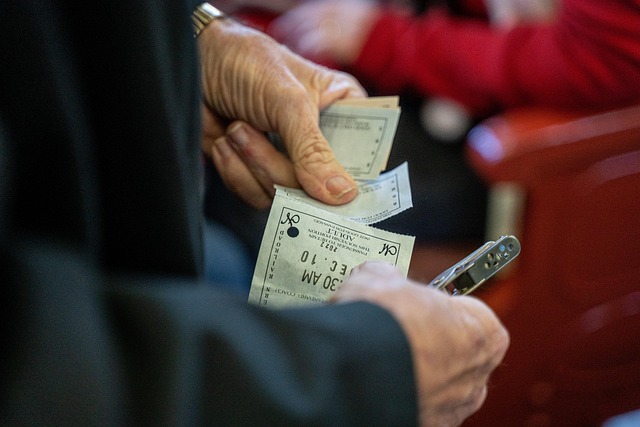
When the workweek settles into its familiar rhythm, the idea of breaking away from the office and into nature can feel almost revolutionary. A simple piece of plastic, a cardboard rectangle stamped with a route and a price, can unlock a world of fresh air, scenic tracks, and quiet moments. A train ticket becomes more than a travel pass; it is a key to freedom, a passport to the countryside, and a reminder that the most rewarding adventures often start with a single decision to step off the commuter line and onto a path that winds through forests, over hills, and beside rivers.
Why Train Travel is the Ideal Companion for Hiking Enthusiasts
Hiking is a discipline of discovery, but the journey to the trailhead can be just as significant as the trek itself. Trains offer several advantages that make them especially attractive for those who want to combine leisure activities with efficient travel.
- Convenience. Trains depart from city centers, allowing hikers to avoid the hassle of parking, traffic, and long drives.
- Scenic Previews. The gradual ascent or descent of a railway line often provides panoramic views that hint at the terrain ahead.
- Eco‑friendly. Trains produce less carbon per passenger than cars, aligning with the environmental ethos of many outdoor communities.
- Comfort. Spacious seating, the ability to move freely, and amenities like onboard restrooms reduce the fatigue that can precede a hike.
Choosing the Right Train Ticket for Your Adventure
Not all tickets are created equal. Knowing the options available can help you tailor your trip to fit your schedule and budget.
“A well‑chosen ticket not only saves money, but also saves time and energy for the real adventure.” – Anonymous Trail Guide
- Standard Fare. The most economical choice, often best for single‑direction trips or when you have limited flexibility.
- Day Pass. Allows multiple rides within a 24‑hour window, perfect for itineraries that include multiple trailheads in one day.
- Seasonal Pass. Ideal for those who plan repeated trips to a particular region; it offers unlimited travel on specific routes for a set period.
- Railcard Discounts. Many countries offer discounted tickets for students, seniors, or families, making train travel even more accessible.
Planning Your Train‑Powered Hiking Getaway
Effective planning is the bridge between an idle daydream and a memorable outdoor experience. Start by answering a few key questions:
- Which region or national park offers the trails you crave?
- What train lines serve that area, and where do they stop?
- How long does the hike take, and do you need to return the same day or overnight?
- Do you need gear that can be transported easily by rail (e.g., a lightweight backpack, a compact tent)?
Once you have the answers, you can purchase the appropriate train ticket, book a hostel or campsite near the trailhead, and compile a packing list that fits both your hiking needs and the constraints of train luggage.
Top Rail‑Accessible Trailheads for Weekends
Here are a few exemplary destinations that blend train convenience with spectacular hiking:
- Blue Ridge Parkway, USA. Trains from Washington, D.C. to Asheville, North Carolina give hikers easy access to over 500 miles of Appalachian trails.
- The Lake District, England. Regular services from London to Windermere bring walkers close to peaks like Scafell Pike and Helvellyn.
- Swiss Alps, Switzerland. The scenic Bernina Express links cities like Chur and St. Moritz, positioning hikers near trails such as the Bernina Trail and the Piz Bernina ridge.
- Japanese Alps, Japan. The Shinkansen (bullet train) connects Tokyo to Nagano, a gateway to Mount Norikura and the Hakuba Valley.
- Canadian Rockies, Canada. The Canadian Pacific Railway’s “Rocky Mountaineer” routes bring travelers to Jasper and Banff, where the Icefields Parkway offers world‑class trekking.
Each of these routes showcases how a train ticket can serve as the initial step in a day of exploration, allowing hikers to arrive refreshed, with minimal pre‑hike logistics.
Maximizing Your Time on the Trail
With a comfortable arrival thanks to the train, you can focus entirely on the hike itself. Here are strategies to make the most of the day:
- Early Start. Leave the trailhead before the sun reaches its peak to enjoy cooler temperatures and softer light.
- Trail‑Buddy System. Pair up with a fellow hiker or join a local group; sharing a train ticket often means shared knowledge about the best routes.
- Pack Smart. Carry a hydration pack, a layered clothing system, a lightweight first‑aid kit, and a small snack bar. The lighter your pack, the easier it is to move around the train station.
- Local Resources. Many towns near trailheads offer gear rentals. By arriving via train, you can easily access these shops without needing a car.
- Evening Rest. After a long day, take a leisurely train ride back while reflecting on the day’s accomplishments, rather than rushing back to a city hotel.
Safety and Sustainability Tips for Rail‑to‑Trail Adventures
Respecting the environment and staying safe are paramount. Here are a few best practices:
- Follow the Leave No Trace principles: Pack out everything you bring in, stay on marked paths, and avoid disturbing wildlife.
- Check the weather forecast before you set out; train routes often offer reliable updates that can help you adjust your plans.
- Keep a detailed itinerary in a waterproof folder: include trail names, distances, and contact numbers for nearby ranger stations.
- Use a reusable water bottle and refill it at stations or natural springs (when permitted).
- Respect train etiquette: Keep noise levels low, avoid blocking aisles, and be mindful of other passengers when carrying gear.
Beyond the Trail: Cultural Stops Along the Way
Many train routes that serve popular hiking destinations also pass through towns and villages rich in history and culture. A well‑timed stop can add a new layer to your adventure:
- Try a local coffee shop or bakery at a quaint station before heading into the wild.
- Visit a small museum or heritage site near the station to learn about the region’s natural history.
- Engage with local guides or volunteer programs that help maintain trails; this can deepen your appreciation for the landscape.
- Share a meal with fellow hikers, exchanging stories and tips about the best viewpoints.
These moments turn a simple train ticket into a passport for discovery beyond the asphalt and rails.
Putting It All Together: A Sample Itinerary
Let’s illustrate how a single day can unfold when you combine a train ticket with a leisurely hike.
- 6:30 AM – Depart from the city train station on a regional service bound for a nearby national park. Pack a lightweight backpack, a water bottle, and a small snack.
- 8:00 AM – Arrive at the park’s main station. Check out a local shop for any last‑minute gear adjustments.
- 8:30 AM – Begin a moderate hike to a scenic overlook that takes approximately 3 hours.
- 12:00 PM – Take a break at the overlook, enjoy lunch, and soak in the view.
- 1:00 PM – Continue the trail, perhaps exploring a side loop that offers a waterfall.
- 4:00 PM – Return to the main trailhead, freshen up in a portable shower, and prepare for the return trip.
- 5:30 PM – Board the evening train back to the city, reflecting on the day’s achievements and planning the next adventure.
Notice how every step, from ticket purchase to train return, is part of a seamless, low‑stress experience. The train ticket is not merely a purchase; it is the cornerstone of a day that balances physical activity, environmental stewardship, and cultural enrichment.
Final Thoughts on Train Ticket Adventures
When you’re ready to escape the monotony of everyday life, consider the humble train ticket as your first portal into the wilderness. It offers ease, efficiency, and the chance to witness the world’s diverse landscapes from a different perspective. Whether you’re a seasoned hiker or a weekend explorer, combining train travel with hiking opens up countless possibilities for leisure activities, relaxation, and personal growth.
Next time you’re planning a break, remember that the journey starts the moment you buy the ticket. Let the rails carry you to new heights, both literally and figuratively, and let every trail you walk be a testament to the freedom that a simple, well‑used train ticket can bring.