Partner Dance: A Relaxing Free Time Activity

When the day winds down and the mind begins to search for a gentle release from the demands of work, study, or household chores, many people turn to activities that blend movement with mindfulness. Among these, partner dance stands out as a surprisingly accessible yet profoundly rewarding way to unwind. It is a form of exercise that does not feel like exertion because the rhythm, music, and connection with a fellow dancer carry the momentum. The result is a calming, almost meditative experience that nurtures both body and soul.
The Science of Movement and Connection
Research on physical activity consistently shows that moderate exercise releases endorphins, serotonin, and dopamine—neurochemicals that elevate mood. Partner dance adds an extra layer of benefit: the social component. When two people coordinate movements, they engage in nonverbal communication, which stimulates the release of oxytocin, often called the “bonding hormone.” This biochemical synergy makes partner dance a unique vehicle for stress reduction, fostering a sense of belonging and shared purpose.
How the Body Responds
From a physiological perspective, partner dance is a low-impact cardiovascular workout. It elevates heart rate moderately, improves circulation, and promotes flexibility. Unlike solo workouts that can feel isolating, partner dance requires synchronization, which trains the brain to listen to subtle cues and adapt in real-time. This active listening sharpens proprioception—your awareness of body position—and can improve balance and coordination long after the music stops.
“When you move with someone, you have to be present,” says a fitness therapist who has studied dance therapy. “That presence carries over into everyday life, making you more aware of your surroundings and more connected to those around you.”
Choosing the Right Dance Style
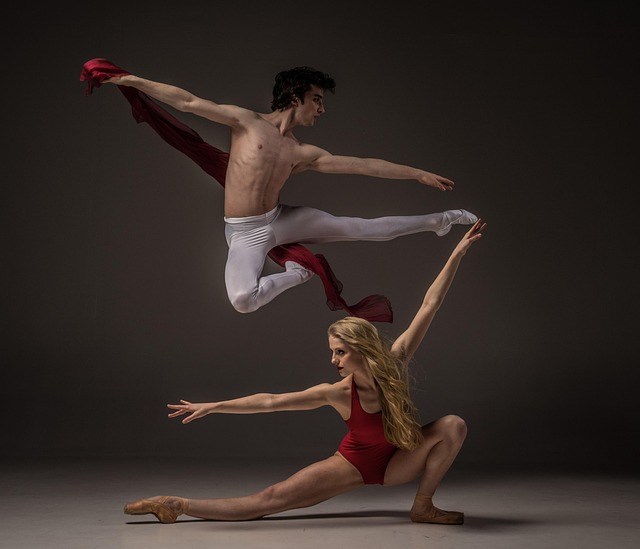
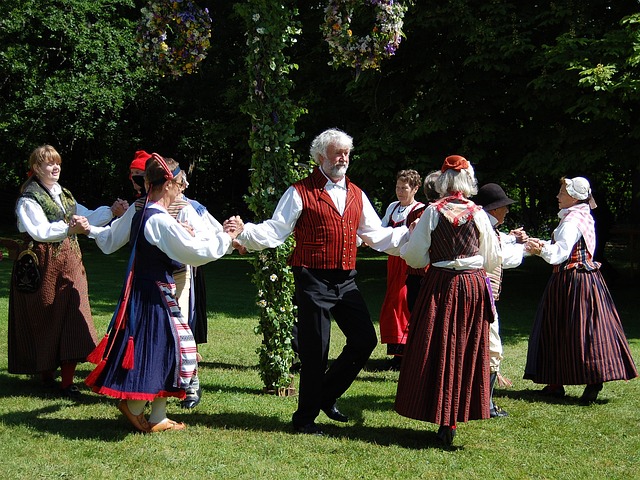
Partner dance encompasses a broad spectrum of styles, each with its own flavor of rhythm and technique. The most popular include ballroom dances like the waltz and tango, Latin dances such as salsa and cha‑cha, as well as contemporary and folk styles like swing and Irish step dance. Selecting a style depends on personal preference, comfort level, and the type of music you enjoy. Beginners might start with a gentle, structured form like the basic steps of the foxtrot, which provide clear patterns and a manageable learning curve.
Benefits Beyond Physical Health
Partner dance is not only a form of exercise; it also serves as an emotional outlet. The act of trusting a partner’s lead and following in turn cultivates mutual respect and communication. As you learn to anticipate each other’s movements, you become more attuned to nonverbal cues, a skill that translates into improved social interactions outside the dance floor. Additionally, the rhythmic structure helps regulate breathing, encouraging a breathing pattern that can calm the nervous system and reduce anxiety.
Creating a Dance Routine at Home
Many people hesitate to join a dance class because of time constraints or financial considerations. However, with a little creativity, you can transform an ordinary living space into a mini dance studio. Here are some practical steps to get started:
- Set a Dedicated Space: Clear a square area of at least 10 feet by 10 feet. Remove fragile items and choose a floor that offers some give—carpet or a dance mat works well.
- Choose Your Music: Pick a playlist that matches the dance style. For example, salsa rhythms for Latin dances or a slow piano piece for a ballroom waltz.
- Start with Warm‑Up: Gentle shoulder rolls, ankle circles, and hip flexor stretches prepare the body and prevent injury.
- Learn Basic Steps: Use online tutorials or instructional books that provide step-by-step guidance. Focus on foot placement and posture.
- Practice with a Partner: Even a friend or family member can join. Communicate openly about comfort levels and desired tempo.
- Record Yourself: Watching a recording can reveal subtle timing issues and help refine your technique.
- Reflect and Relax: After the session, sit in a quiet spot, close your eyes, and notice the sensations in your body—breathing, heart rhythm, the residual energy.
Maintaining Momentum and Motivation
Consistency is key to reaping the long-term benefits of partner dance. Setting a realistic schedule—such as a 30‑minute session twice a week—can embed the activity into your routine. Mixing styles keeps the practice fresh and challenges different muscle groups. If you find yourself plateauing, consider introducing a new rhythm or experimenting with improvisation, which encourages spontaneous creativity and keeps the mind engaged.
Partner Dance in Community Settings
While home practice offers convenience, community dance environments provide additional layers of support and inspiration. Dance studios often host beginner workshops, social dance nights, and themed parties that cater to all skill levels. These settings allow dancers to meet others with similar interests, creating networks of encouragement. Additionally, dancing in a group fosters accountability, as people are less likely to skip sessions when they know others are waiting for them.
Inclusive Aspects of Partner Dance
Partner dance is inherently inclusive. It welcomes participants regardless of age, gender, or previous experience. Many instructors emphasize adaptive techniques to accommodate varying mobility levels, ensuring that everyone can participate safely. This openness creates a sense of belonging and celebrates diverse expressions of movement.
Health Outcomes and Longevity
Studies on older adults have shown that regular partner dance improves balance, reduces fall risk, and enhances cognitive flexibility. The combination of physical movement and mental coordination serves as a dual stimulus for the brain, slowing the onset of age-related decline. Furthermore, the social engagement inherent in partner dance combats loneliness, a significant predictor of morbidity and mortality among seniors.
Practical Takeaways
For those looking to incorporate partner dance into their leisure routine, consider these actionable steps:
- Start small: Commit to a single dance style and practice it regularly.
- Invite a friend or family member: The partnership element enhances motivation and enjoyment.
- Track progress: Keep a simple log of sessions and note any physical or emotional changes.
- Seek community: Join local dance groups or online communities for support and new ideas.
- Stay flexible: Adjust your practice to fit life’s ebbs and flows, recognizing that quality over quantity matters.
Conclusion: A Dance of Relaxation and Connection
Partner dance offers a multifaceted approach to relaxation, blending movement, rhythm, and social interaction into a single, accessible activity. Whether practiced at home, in a studio, or with a partner in a park, the benefits extend beyond the physical: they touch upon mental clarity, emotional well‑being, and the joy of shared experience. By weaving partner dance into your leisure time, you invest in a holistic practice that nurtures the body, mind, and relationships, ultimately enriching your quality of life.