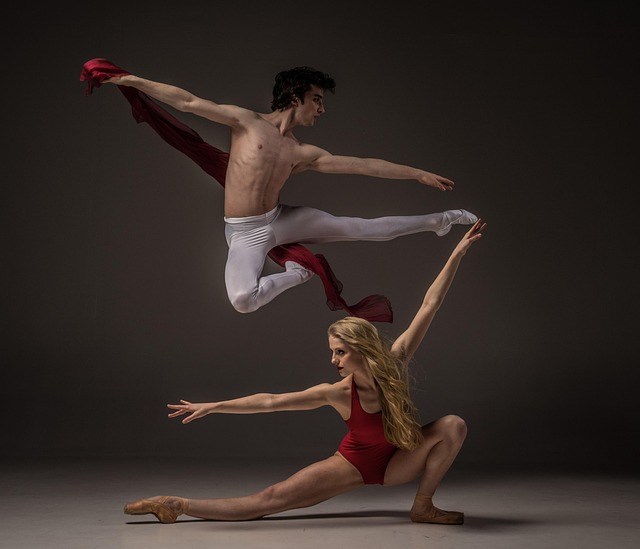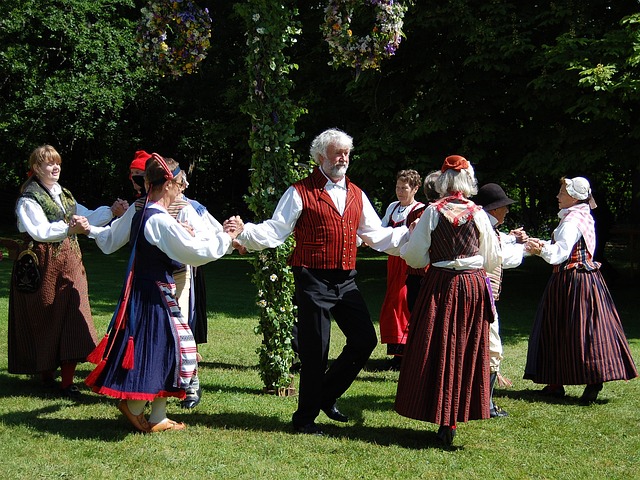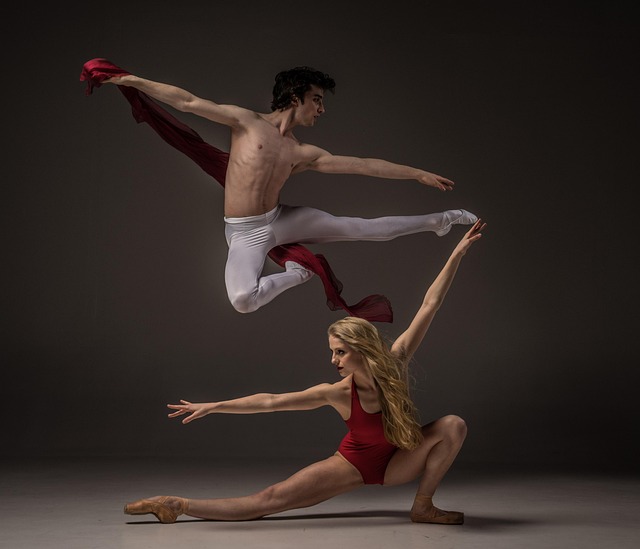
Dancing for Joy: How Dancers Reap Rewards in Leisure Activities

The Quiet Echo of Music in Everyday Leisure
When the rehearsal lights dim and the stage curtain rests, the seasoned performer slips off the studio floor and into something wonderfully ordinary: leisure time. For many, freetime can feel like a soft exhale after a long dance combination, yet a true Dancer reward shows up when that downtime still hums with rhythm. The body has muscle memory, but the heart has pulse memory—those unspoken beats continue to vibrate even when the dancer chooses to lounge on a park bench or sip coffee at a quiet corner café. The pleasure of stepping away from formal training is not an escape from dance but a deeper entry into it.
Ballet Meets Book Club
Consider a Saturday afternoon spent with friends flipping pages of a mystery novel. The dancer’s sharp eye for narrative arcs, cultivated through interpreting choreography, makes plot twists feel almost choreographed. That sensory overlap is a hidden Dancer reward. Leisure turns literary discussions into playful improvisations, where footnotes and fouettés dance side by side.
Cooking in Counts of Eight
Even the clatter of pots and pans in the kitchen can morph into a duet. Stir for four counts, sauté for eight, repeat. The precision learned from years of pliés translates into flawless timing at the stove. Recipes become choreographies; the sizzle of onions crescendos like an orchestral swell. The aroma wafting from the pan is the standing ovation.
Walking as a Moving Meditation
Leisurely strolls transform sidewalks into makeshift marley floors. Each footfall mirrors the gentle roll-through of a warm-up exercise, grounding the dancer to the earth. The city’s ambient soundtrack—buzzing traffic, snippets of conversation—merges with internal breath counts. This subtle synchronization turns an everyday walk into a restorative practice, cultivating mindfulness and honoring joints and ligaments.
The Science Behind the Serenity
Neurologists note that dancers possess heightened vestibular function and proprioception. In leisure, these neurological advantages allow for an elevated state of relaxation. Whether browsing a museum or stretching beneath a tree, the dancer’s brain continues to map spatial awareness. That internal choreography fosters calm, a physiological Dancer reward manifested as lowered cortisol and steadier heart rates. Even stillness feels like movement held in suspension.
Friendships Forged in Freetime
Dancers often commune in studios bathed in sweat and determination; yet camaraderie deepens offstage. A game night reveals the wit refined through rhythmic timing. Movie marathons highlight empathy honed from portraying characters without words. These shared activities, seemingly mundane, convert everyday connections into pas de deux of mutual understanding.
Digital Dance Detox
Scrolling through social feeds might be common, but dancers know when to set the device aside and feel the tangible weight of the present moment. Meditation apps become minimalist soundtracks for gentle stretching. In silence, the echoes of past rehearsals become affirmations. This intentional pause gifts the performer fresher perspective for the next class or audition—a cyclical Dancer reward earned by honoring balance.
From Studio Spotlight to Sunset Glow
The transition from grand jetés to garden hammocks draws a line of continuity rather than division: motion begets stillness, stillness recharges motion. Within every chosen leisure activity—be it knitting, kayaking, or karaoke—lurks the heartbeat of choreography. Free time, then, is not a separate room but an adjacent wing of the same palace, richly furnished with joy, creativity, and the persistent thrum of music felt beneath the skin.