Storage Ideas to Make Cooking a Leisure Activity

Cooking has long been a cornerstone of everyday life, yet many still view it as a chore rather than a leisure pursuit. When a kitchen feels cluttered and disorganized, even the simplest meal can feel like a marathon. The key to turning cooking into a relaxing pastime lies in thoughtful storage: arranging tools, ingredients, and appliances so that everything is within easy reach and everything has its own place. By transforming storage into a functional, aesthetically pleasing system, you can reclaim the joy of the culinary experience.
Designing Your Kitchen for Relaxed Cooking
The foundation of a leisure‑friendly kitchen is a layout that supports smooth workflow. Start by visualizing the classic “work triangle”—the efficient path between the stove, refrigerator, and sink. Once you’ve settled that, the next step is integrating storage that eliminates friction. Here are essential storage concepts to consider:
- Deep, pull‑out pantry shelves that keep pantry staples visible and easy to reach.
- Corner carousels for pots and pans to free up cabinet space.
- Vertical spice racks that turn narrow walls into fragrant displays.
- Under‑counter drawers with dividers for cutting boards and knives.
- Multi‑level hatches that combine a pantry with a built‑in appliance like a toaster or kettle.
Maximizing Counter Space with Pull‑Out Drawers
Many kitchens struggle with countertop clutter. Pull‑out drawers—whether for cutting boards, baking sheets, or storage of small appliances—are a game changer. They keep items out of sight but still within arm’s reach, creating a cleaner work area and freeing the stove and sink for active cooking.
“When I installed pull‑out drawers, the counter space felt instantly larger,” says chef Emily Torres. “It made prepping ingredients so much faster and more enjoyable.”
Creative Storage Ideas That Double as Décor
Storage need not be purely utilitarian; it can also enhance the visual appeal of your kitchen. Here are ideas that blend function with style:
- Open shelving painted in a bold color to showcase your favorite cookware.
- Glass jars filled with spices, herbs, and pasta, creating a vibrant, organized look.
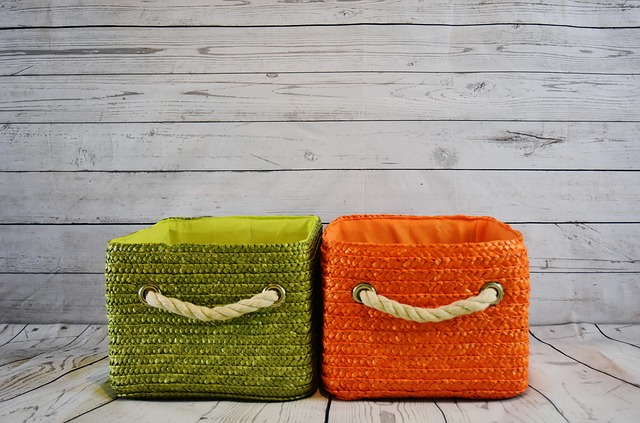
- Custom wall-mounted baskets for fresh produce that also act as a green wall.
- Built‑in hanging pot racks that keep pots out of the way but add a rustic charm.
- Reclaimed wood panels used as a backdrop for your recipe books and utensils.
Open Shelving Vs. Closed Cabinets
Choosing between open shelves and closed cabinets depends on your lifestyle and aesthetic preference. Open shelves offer quick access and a sense of openness, but they require regular cleaning to keep dust at bay. Closed cabinets protect items from light and moisture and keep a tidier appearance, though they can create a sense of confinement if not well organized.
- Opt for open shelves in the area where you cook most often to keep frequently used items visible.
- Use closed cabinets for pantry staples that need to stay cool and dark.
- Consider a hybrid approach: open upper cabinets for decorative items and closed lower cabinets for storage.
- Install clear, labeled containers in both spaces to quickly locate ingredients.
- Regularly review and reorganize to maintain a clutter‑free environment.
Organizing Ingredients for Stress‑Free Meal Prep
When ingredients are well organized, meal prep becomes an enjoyable routine rather than a stressful task. Implementing a few storage practices can make a big difference:
- Group similar items together: all baking ingredients in one cabinet, all fresh produce in another.
- Use clear, airtight containers for dry goods to keep them fresh and easily identifiable.
- Label each container with both the content and the date it was opened to keep track of freshness.
- Set aside a dedicated drawer for knives, keeping them safely inside a knife block.
- Keep a small, pull‑out spice rack on the counter for quick seasoning.
Pantry Organization Tips
Pantries can quickly become a maze of mismatched boxes and mislabeled jars. A well‑thought‑out storage system turns the pantry into a treasure trove of culinary possibilities.
“I love the sense of order when I walk into my pantry,” says home cook Alex Rivera. “Everything has a place, and I can see exactly what I have at a glance.”
Smart Storage for Small Kitchens
Space constraints in smaller kitchens can make storage feel like an uphill battle. Yet with the right ideas, a compact kitchen can still feel expansive and inviting. Consider these strategies:
- Install floor-to-ceiling cabinets to utilize vertical space.
- Use a rolling island with built‑in drawers to provide extra workspace and storage.
- Employ magnetic strips on walls to hold knives, spice jars, and kitchen gadgets.
- Choose appliances with built‑in storage options, like microwaves that double as pull‑out cabinets.
- Use multi‑functional furniture pieces, such as a dining table that opens to reveal extra drawers.
Vertical Space Utilization
Maximizing height is often the most overlooked storage tactic. The taller your kitchen cabinets, the more you can store without taking up floor space.
- Install taller cabinets that reach the ceiling, then add pull‑out shelving for easy access.
- Use a hanging pot rack that swings above the stove, freeing cabinet space below.
- Place a tall, narrow cabinet near the fridge for items like baking sheets or cutting boards.
- Mount a vertical spice rack on a free wall, keeping spices organized and within reach.
- Consider a pantry door with built‑in shelves to hold small items without using extra cabinet space.
Maintaining Your Storage System for Long‑Term Enjoyment
Even the best storage layout can lose its effectiveness over time if not maintained. Regular upkeep keeps your kitchen a leisure haven rather than a source of frustration.
- Schedule a quarterly “storage audit” to check for items that have expired or are no longer needed.
- Rotate ingredients so that older items are used first, reducing waste.
- Clean drawers, shelves, and containers regularly to prevent buildup of crumbs and spills.
- Refresh labeling as needed to keep the system intuitive.
- Reassess your storage needs after significant life changes, such as moving or adding new appliances.
By viewing storage as an integral part of the culinary experience rather than a mere necessity, you open the door to more leisure time in the kitchen. Thoughtful organization turns cooking from a routine into an enjoyable pastime, allowing you to savor each step—from selecting ingredients to plating the finished dish. Embrace these storage ideas, adapt them to your unique space, and watch as your kitchen transforms into a sanctuary of creativity and relaxation.