The Role of Dramaturgy in Shaping Freetime Reading Adventures

When we think about leisure activities, reading often comes to mind—a cozy escape, an intellectual exploration, or an emotional journey. But what turns a simple act of flipping pages into something unforgettable? That’s where dramaturgy plays a transformative role in our freetime reading adventures.
Dramaturgy, typically associated with theater and performance, is the craft of dramatic composition and storytelling. Yet, its influence stretches far beyond the stage, subtly guiding the narratives that captivate us during our quiet hours with a book. From the build-up of tension to the depth of characters and their motivations, dramaturgy injects life and rhythm into stories—making our personal reading time feel anything but passive.
Whether on a weekend morning with a hot cup of coffee or during a late-night dive into a compelling novel, readers naturally gravitate toward stories that pull them in—and that pull comes from carefully constructed dramatic elements. Plot arcs, pacing, conflict, and emotional resonance all stem from a writer’s grasp of dramaturgical techniques, creating an invisible choreography that keeps us turning the page.
Imagine being completely absorbed in a mystery novel during your free Sunday afternoon. It’s not just the whodunit that keeps you guessing; it’s how the suspense is paced, how each character reveals layers, and how tension and release are orchestrated. These are the fingerprints of dramaturgy, guiding the reader through a rich, emotional terrain while keeping the experience thrilling and meaningful.
In our increasingly busy lives, free time is precious. That’s why we often seek out books that make our reading time worthwhile—stories that move us, challenge us, or transport us. Dramaturgy ensures that even short reading moments can feel expansive and cinematic. It curates our emotional engagement, turns moments into memories, and transforms reading from a solitary activity into an immersive, almost theatrical experience.
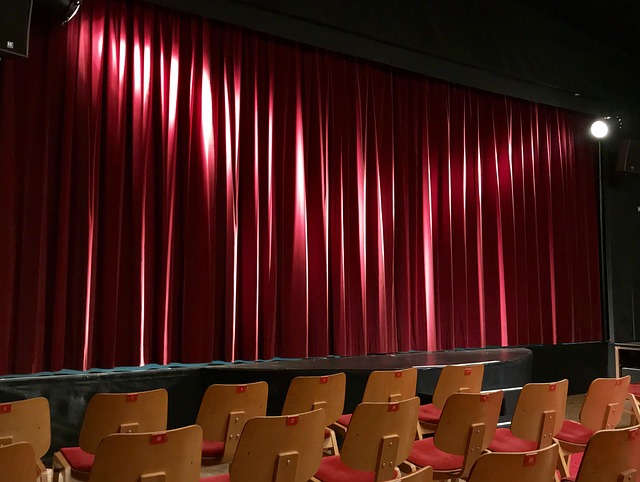
In some ways, each book we open during our leisure time becomes its own little performance, staged just for us. The characters enter and exit, plot twists take a bow, and we sit, deeply invested, as the drama unfolds. Through the lens of dramaturgy, our reading becomes a curated journey—a delicate balance of structure and spontaneity—all designed to engage, delight, and enrich our free moments with meaning and adventure.
So next time you find yourself lost in a book during a stolen weekend hour, think about the invisible hand of dramaturgy guiding your experience. It’s not just the words—it’s how they’re crafted and delivered that shapes your emotional response and elevates your freetime reading into something truly extraordinary.