Dance Experience The Ultimate Free Time Leisure Activity for Everyone

When the day winds down and the clock’s hands settle into evening, many people look for a way to unwind, to breathe, and to reconnect with themselves. A dance experience offers an immediate, accessible path to relaxation, creativity, and community. By moving to rhythm, you engage both body and mind, turning the simple act of dancing into a powerful leisure activity that can suit anyone, regardless of age or skill level.
Why Dance Becomes the Perfect Leisure Choice
Dance is a universal language; it does not require special equipment or expensive studios. All you need is a space where you can move freely, some comfortable clothing, and a willingness to explore. Unlike many other leisure pursuits that demand long-term commitment or specific training, a dance experience can be started immediately, adapted to personal preferences, and enjoyed repeatedly.
- Accessibility: No membership fees, no elaborate gear.
- Health benefits: Cardiovascular endurance, muscle tone, and flexibility.
- Social connection: Shared movement fosters camaraderie and reduces loneliness.
Physical and Mental Upsides
Engaging in a dance experience consistently offers measurable improvements in both physical and cognitive domains. The rhythmic movement stimulates blood flow, promoting heart health. Simultaneously, coordinating steps challenges the brain, enhancing memory, spatial awareness, and executive function. Many people report a sense of euphoria after dancing, thanks to the release of endorphins that reduce stress and elevate mood.
“Dance is a journey of self‑expression that unites mind and body, turning everyday movement into a therapeutic ritual.” – Anonymous
Choosing Your Style: From Classic to Contemporary
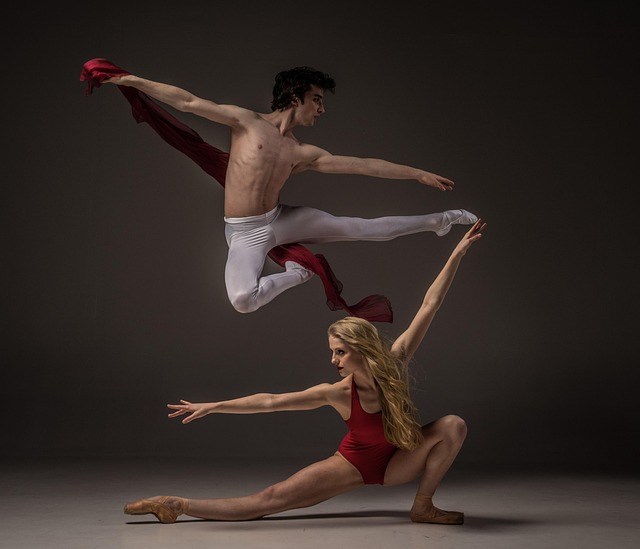
The world of dance is vast, ranging from ballet’s disciplined poise to hip‑hop’s energetic swagger. This variety ensures that a dance experience can always be tailored to your taste. Beginners might start with simple aerobic steps or ballroom basics, while those with confidence may experiment with freestyle or Latin rhythms. Importantly, each style emphasizes core principles—balance, rhythm, and expression—so the specific technique is secondary to personal enjoyment.
Incorporating Dance Into Daily Routines
Many people underestimate how easily a dance experience can slot into a busy schedule. Here are three practical methods:
- Micro‑sessions: Five‑minute bursts of movement during office breaks can recharge focus.
- Home choreography: Dedicate ten minutes after dinner to invent simple sequences; it becomes a mini‑workout and creative outlet.
- Social dances: Join local meet‑ups or community center classes on weekends for shared experience and support.
These habits reinforce consistency and make the dance experience feel like a natural part of life rather than a chore.
Beyond Physical Health: Emotional Freedom
Emotionally, dancing serves as a safe conduit for feelings that may otherwise remain unspoken. Movement allows individuals to process joy, sorrow, excitement, or frustration through body language. Even spontaneous, free‑style dancing can release pent‑up tension, offering a cathartic outlet that writing or talking sometimes cannot achieve. Over time, people find that a regular dance experience improves self‑confidence and self‑awareness.
Building Community Through Shared Rhythm
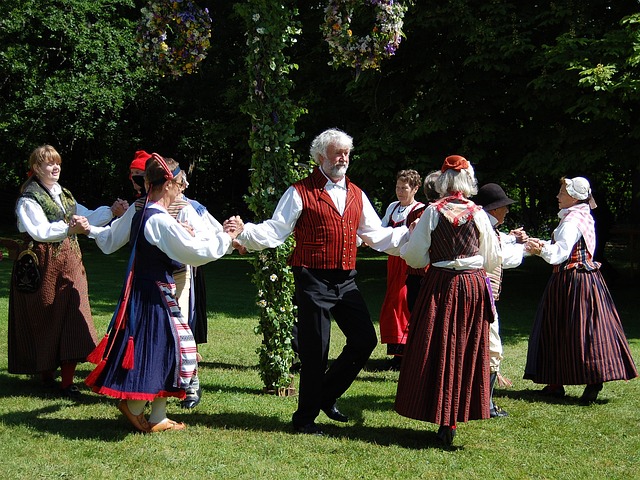
When people dance together, they engage in a subtle form of nonverbal communication. A collective dance experience brings strangers closer, as rhythm aligns intentions and bodies synchronize. This phenomenon is evident in community dances, cultural festivals, or simple friends’ gatherings. The shared experience fosters mutual respect and encourages inclusivity, making dance a powerful tool for social cohesion.
Adapting Dance for All Ages and Abilities
Dance is inherently adaptable. Senior citizens can enjoy low‑impact routines that emphasize balance and gentle joint movement. Those with mobility challenges can employ seated or assisted dances, focusing on upper‑body gestures and breathing. Children find joy in rhythm games, while adults with busy lives can find liberation in quick, invigorating sessions. This flexibility ensures that a dance experience remains relevant to everyone, regardless of physical limitations.
Safety Tips for a Healthy Dance Experience
To keep the dance experience safe and enjoyable, consider these guidelines:
- Warm up before moving: dynamic stretches reduce injury risk.
- Wear supportive footwear or dance‑specific shoes if possible.
- Stay hydrated, especially during vigorous sessions.
- Listen to your body; stop if pain or discomfort arises.
Implementing these practices ensures that the benefits of dancing outweigh any potential hazards.
Conclusion: Making Dance a Daily Delight
In the quest for meaningful leisure activities, a dance experience stands out for its blend of accessibility, health benefits, and emotional depth. Whether it’s a spontaneous two‑minute freestyle during a coffee break or a structured class on a weekend, dancing enriches life on multiple levels. By embracing movement as a regular part of your routine, you open a doorway to improved physical fitness, mental resilience, and a richer social tapestry—all without leaving the comfort of your own home or local community center.