Hobbit Dancer: A Lighthearted Escape in Free Time

In a world where the rhythm of daily life often feels like a monotonous march, finding a playful escape can be both refreshing and restorative. The idea of a “hobbit dancer” offers a whimsical avenue to reintroduce joy, movement, and community into leisure time. By adopting the light‑hearted spirit of a hobbit—a creature known for its love of simple pleasures and gentle footsteps—one can transform ordinary free time into a delightful dance that nourishes body, mind, and soul.
What Is a Hobbit Dancer?
A hobbit dancer is not a formal dance style bound by strict rules; instead, it is a mindset that encourages spontaneous, low‑impact movement inspired by the cheerful, unpretentious lifestyle of hobbits. Think of the gentle sway of a farmhand in a meadow or the merry twirls of a hobbit celebrating a harvest. The key qualities of a hobbit dancer are simplicity, accessibility, and a sense of playful curiosity. Anyone, regardless of age or skill level, can step into this role and enjoy the movement without pressure.
The Core Principles of a Hobbit Dancer
There are three guiding principles that shape the hobbit dancer’s approach to movement:
- Grounded Connection: Emphasize a steady, rhythmic breathing pattern that mirrors the earth’s steady pulse.
- Gentle Flow: Prioritize smooth transitions over flashy choreography, allowing the body to move naturally.
- Joyful Intent: Infuse each movement with delight, celebrating small moments rather than chasing perfection.
Why Embrace the Hobbit Dancer Lifestyle?
Adopting the hobbit dancer mindset can deliver a host of benefits that extend beyond the dance floor. First, it provides an effective form of aerobic exercise that is gentle on joints, making it suitable for people of all fitness levels. Second, the mindful aspect of synchronized breathing and rhythm promotes relaxation and reduces stress. Third, the playful nature of this practice can enhance creativity and mood, encouraging individuals to view leisure time as a source of revitalization rather than mere downtime.
Building a Hobbit Dancer Routine
Creating a personal hobbit dancer routine involves choosing an environment, selecting a music style, and designing a sequence that feels authentic to your spirit.
- Choose Your Space: A quiet living room, a cozy garden, or even a quiet corner in a local park. The setting should feel safe and inviting.
- Select a Musical Mood: Light acoustic tunes, folk melodies, or nature sounds work well. The music should support a relaxed tempo of about 90–110 beats per minute.
- Draft Your Sequence: Start with a simple warm‑up—slow shoulder rolls, gentle side bends—then flow into rhythmic steps such as small hops, gliding foot taps, and gentle spins. Finish with a cooling stretch, perhaps a slow bow or a heartfelt clap to honor the moment.
- Practice Mindfulness: Focus on your breath and the sensation of each footfall. Let go of self‑judgment and enjoy the process.
Hobbit Dancers in Everyday Life
Integrating hobbit dancer moments into daily routines can turn routine tasks into enjoyable rituals. Imagine stepping into the kitchen and twirling with a ladle, or practicing a short hop while rinsing dishes. Even commuting can become a subtle dance: a gentle sway while waiting at a crosswalk, or rhythmic foot tapping to a favorite song during a train ride. By weaving playful movement into ordinary activities, the line between chore and leisure blurs, creating a continuous stream of joy.
Community and Connection
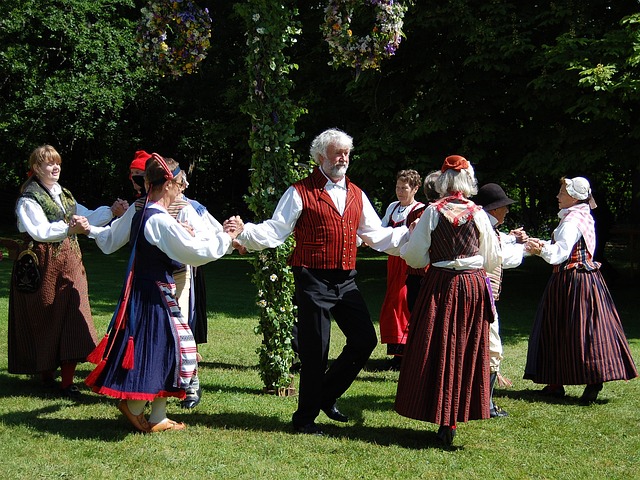
While the hobbit dancer is inherently personal, the joy of sharing this practice can bring communities together. Small groups might gather in a park to perform a collective, low‑intensity routine, celebrating the shared rhythm. Online forums and local meetup groups can exchange tips, choreography ideas, and success stories, fostering a supportive network that values movement for its own sake. This sense of camaraderie reinforces the idea that leisure is not a solitary endeavor but a shared celebration of life’s simple pleasures.
Adapting the Hobbit Dancer for All Ages
The inclusive nature of the hobbit dancer’s style makes it adaptable for children, adults, and seniors alike. Children can enjoy spontaneous, silly dance steps that encourage body awareness and coordination. Adults can use the routine as a gentle way to decompress from work stress, while seniors benefit from low‑impact movement that enhances balance and circulation. The common thread is a focus on fun and ease, rather than technical skill, ensuring that the practice remains accessible to everyone.
Safety Tips for the Hobbits of Tomorrow
Even in a relaxed setting, it’s important to keep safety in mind:
- Wear comfortable shoes or dance barefoot on a clean floor to prevent slips.
- Stay hydrated, especially if practicing outdoors.
- Pay attention to your body; if a movement feels uncomfortable, modify or skip it.
- Warm up and cool down to reduce the risk of muscle strain.
Reflections on the Hobbits’ Joyful Dance
In exploring the hobbit dancer, we discover that leisure need not be a passive escape but an active, vibrant experience. The gentle, rhythmic steps echo the calm yet spirited essence of hobbit life—an invitation to find delight in simple motions. By adopting this playful approach, we reclaim our free time, transforming it into an oasis of movement, laughter, and connection. Whether you’re twirling in your living room or hopping along a garden path, the hobbit dancer offers a lighthearted escape that nurtures body, mind, and community alike.