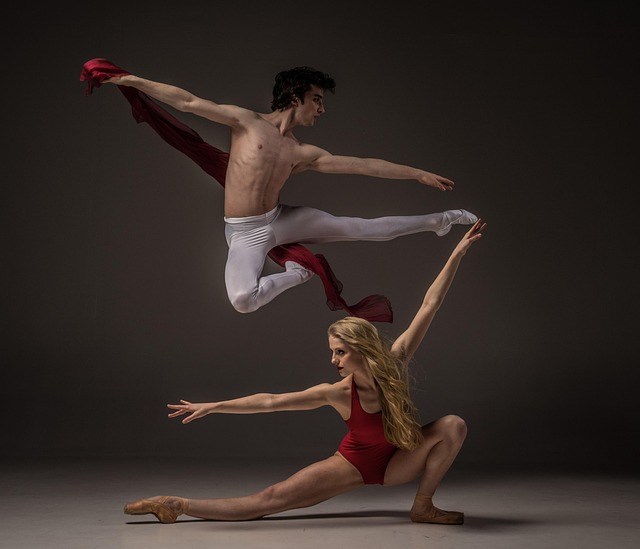
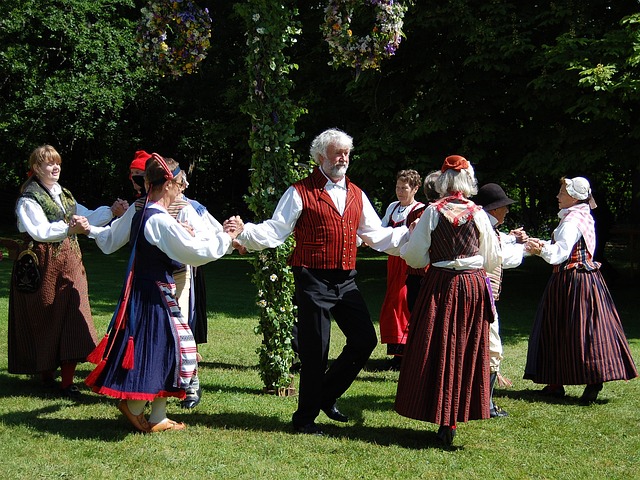
Dance Feedback to Improve Your Freestyle Moves During Leisure Time

In many households, dancing is a spontaneous way to unwind, celebrating the freedom of movement during leisure hours. Yet, even the most casual dancer can feel stuck in a rut, repeating the same patterns without realizing how subtle changes could elevate their routine. Dance feedback—whether from a mirror, a friend, or a digital tool—offers a window into this invisible guide, highlighting what works, what needs adjustment, and how to refine technique without formal training.
Why Dance Feedback Matters for Freestyle
Freestyle dancing thrives on personal expression, but it also relies on physical awareness. Feedback serves as a bridge between intention and execution. When dancers receive constructive observations, they learn to tune into body alignment, rhythm fidelity, and energy flow. This heightened self‑awareness transforms a casual sway into a choreographed statement, allowing even hobbyists to impress themselves and others during relaxed moments.
Common Challenges in Freestyle and How Feedback Helps
Many improvisational dancers stumble over three recurring hurdles: inconsistent timing, uneven posture, and limited dynamic range. By seeking feedback, a dancer can pinpoint the exact moment when rhythm drifts or posture falters. For example, a peer might notice a slight hip tilt that gradually shifts the entire feel of a sequence. Addressing this small detail, the dancer can adjust the core, leading to a smoother, more engaging performance.
Types of Dance Feedback
Feedback can emerge from diverse sources, each offering unique insights:
- Self‑Observation: Recording yourself on a smartphone and reviewing the footage reveals invisible misalignments.
- Peer Review: Friends or classmates bring fresh eyes, often catching nuances that the dancer misses.
- Professional Coaching: Even a single session with a dance instructor can illuminate biomechanics that transform freestyle.
- Digital Analytics: Motion‑capture apps provide data on tempo and movement amplitude, turning subjective feeling into objective metrics.
How to Incorporate Feedback into Your Routine
Turning feedback into practice requires intentional steps:
- Set a Focus Point: Choose one element—like footwork or arm extension—to refine each session.
- Act on Suggestions: If a friend notes a lack of hip rotation, add warm‑up exercises that target that area.
- Track Progress: Keep a simple log of observations, noting improvements or recurring issues.
- Re‑evaluate: After a few practice days, reassess the same element to confirm that the feedback loop is closing.
Setting Goals Based on Feedback
Concrete goals make abstract feedback actionable. For instance, if a coach highlights a need for steadier tempo, a dancer might aim to keep a metronome at 120 BPM for five minutes daily. Goals should be SMART—Specific, Measurable, Achievable, Relevant, and Time‑bound—ensuring that every piece of feedback translates into a tangible step forward.
Maintaining a Feedback Loop for Continuous Growth
“Growth in dance is less about mastering steps and more about mastering the listening process.” – Anonymous dance educator
Regularly revisiting feedback fosters a culture of continuous improvement. Schedule monthly reviews, invite new peers for fresh perspectives, and experiment with different tools. By keeping the dialogue open—whether with oneself or others—you cultivate an environment where every beat, movement, and gesture becomes an opportunity to learn and evolve.
Conclusion
Leisure time dance is a vibrant playground for creativity, yet the absence of conscious reflection can limit its potential. Dance feedback, when integrated thoughtfully, unlocks deeper awareness, sharpens technique, and enhances enjoyment. By embracing self‑analysis, peer input, coaching insights, and technology, casual dancers can transform casual sway into purposeful performance. The next time you let music guide your body, remember that a little feedback can turn a relaxed moment into a memorable dance experience.